Understanding the Cognitive Flexibility Icon: A Versatile Tool for Visual Communication
Cognitive Flexibility Icon is a powerful and versatile symbol that has gained significant traction in the world of visual communication. This icon, part of a broader collection of cognitive skills symbols, is designed to represent the concept of cognitive flexibility, which is the ability to adapt and switch between different tasks or thoughts seamlessly.
What is the Cognitive Flexibility Icon?
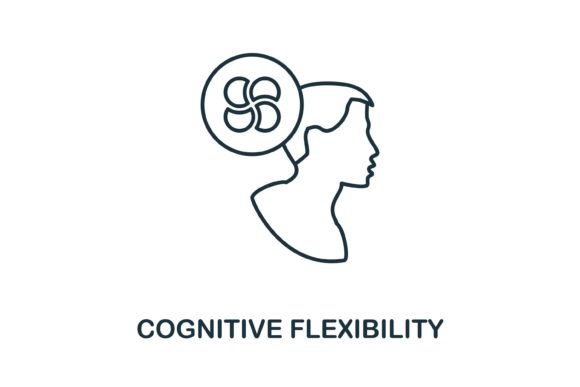
The Cognitive Flexibility Icon is a line-based graphic that visually embodies the idea of mental agility. It is typically depicted as a brain with dynamic, flowing lines, symbolizing the fluidity and adaptability of thought processes. This icon is not just a static image; it is a dynamic representation that can be used in various contexts to convey the importance of cognitive flexibility.
Purpose and Features of the Cognitive Flexibility Icon
The primary purpose of the Cognitive Flexibility Icon is to serve as a recognizable and meaningful symbol in educational, professional, and creative settings. Here are some key features:
- Versatility: The icon can be easily integrated into a wide range of designs, from infographics to web pages.
- Clarity: Its simple yet impactful design makes it easy to understand at a glance.
- Customizability: Available in multiple file formats (EPS, JPG, AI, SVG), it can be edited and adapted to fit specific needs.
Characteristics and Value of the Cognitive Flexibility Icon
The Cognitive Flexibility Icon stands out due to its unique characteristics and the value it brings to visual communication. Some of these include:
- Symbolic Representation: It effectively represents the abstract concept of cognitive flexibility, making it easier to discuss and integrate into various projects.
- Educational Tool: In educational settings, it can help students and educators alike to better understand and emphasize the importance of cognitive skills.
- Professional Use: Professionals in fields such as psychology, education, and human resources can use it to highlight the need for flexible thinking in their work.
Where and Who Can Benefit from the Cognitive Flexibility Icon
The Cognitive Flexibility Icon is a valuable tool for a diverse range of users, including:
- General Consumers: Anyone looking to enhance their understanding of cognitive skills and how they can be applied in daily life.
- Professionals: Educators, psychologists, and HR professionals who need to communicate the importance of cognitive flexibility in their respective fields.
- Creators and Designers: Graphic designers and content creators who want to incorporate meaningful and visually appealing elements into their work.
- Business Owners: Entrepreneurs and business leaders who aim to foster a more adaptable and innovative workforce.
Real-World Scenarios and Applications
The Cognitive Flexibility Icon can be used in a variety of real-world scenarios. For example:
- Educational Materials: Incorporating the icon into textbooks, presentations, and online courses to illustrate the concept of cognitive flexibility.
- Corporate Training: Using the icon in training modules to emphasize the importance of adaptability and problem-solving skills in the workplace.
- Marketing Campaigns: Featuring the icon in marketing materials to promote products or services that support cognitive health and development.
Strengths, Considerations, and Limitations
While the Cognitive Flexibility Icon offers numerous benefits, it's important to consider its strengths and limitations:
- Strengths: Highly versatile, easily customizable, and effective in communicating complex ideas.
- Considerations: Ensure the icon aligns with the overall design and message of your project to maintain clarity and coherence.
- Limitations: The icon may require additional context or explanation in some cases to fully convey its meaning, especially for audiences unfamiliar with cognitive skills.
Evaluating Suitability for Different Needs
When deciding whether the Cognitive Flexibility Icon is suitable for your project, consider the following:
- Target Audience: Understand who will be viewing the icon and tailor its use to meet their needs and expectations.
- Context and Message: Ensure the icon fits well with the overall message and theme of your content.
- Design Integration: Check if the icon can be seamlessly integrated into your existing design without disrupting the flow or aesthetics.
By carefully considering these factors, you can effectively leverage the Cognitive Flexibility Icon to enhance your visual communication and convey the importance of cognitive flexibility in a clear and engaging manner.